Stress and Diabetes: a practical, Australia-focused guide for people using CGM
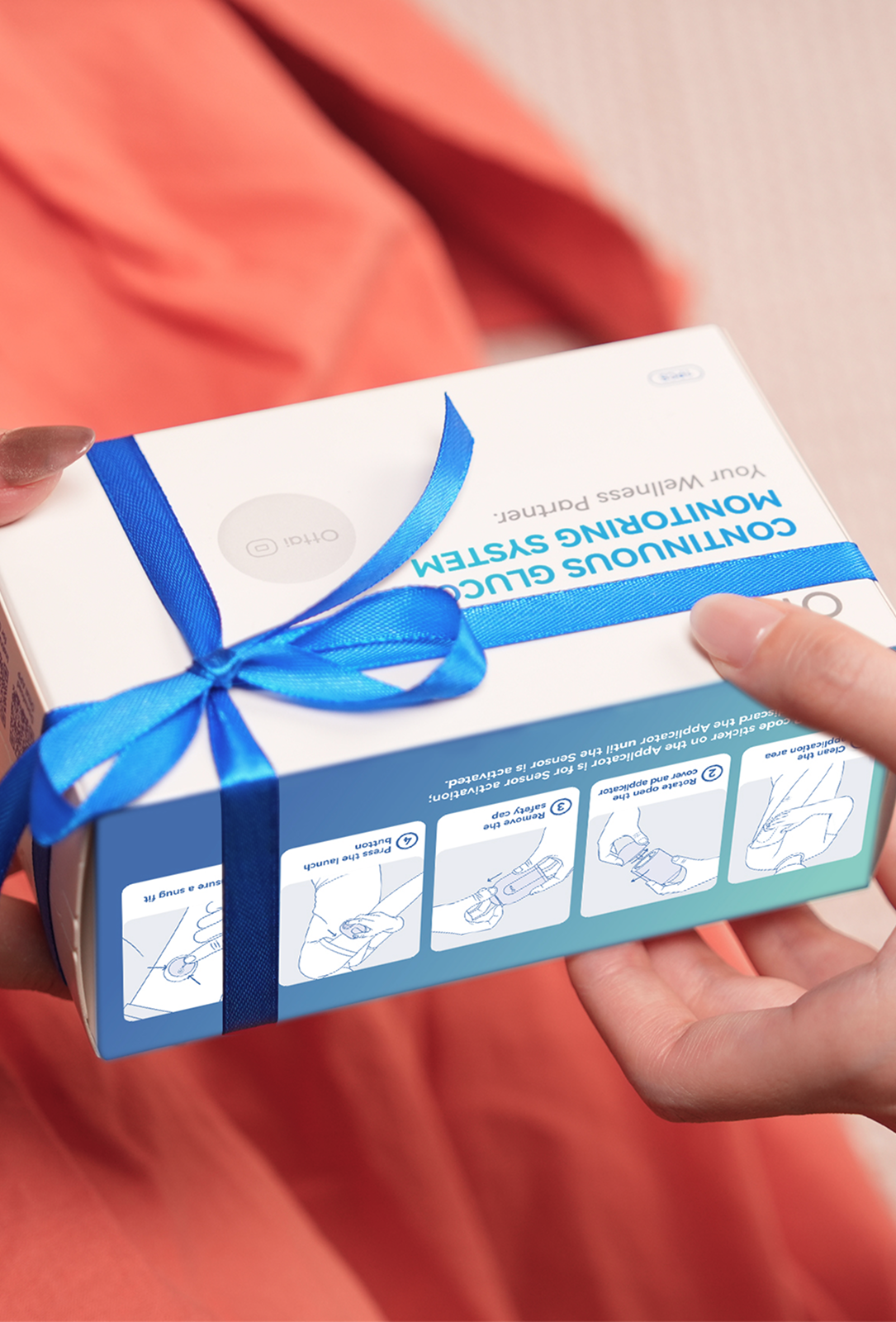
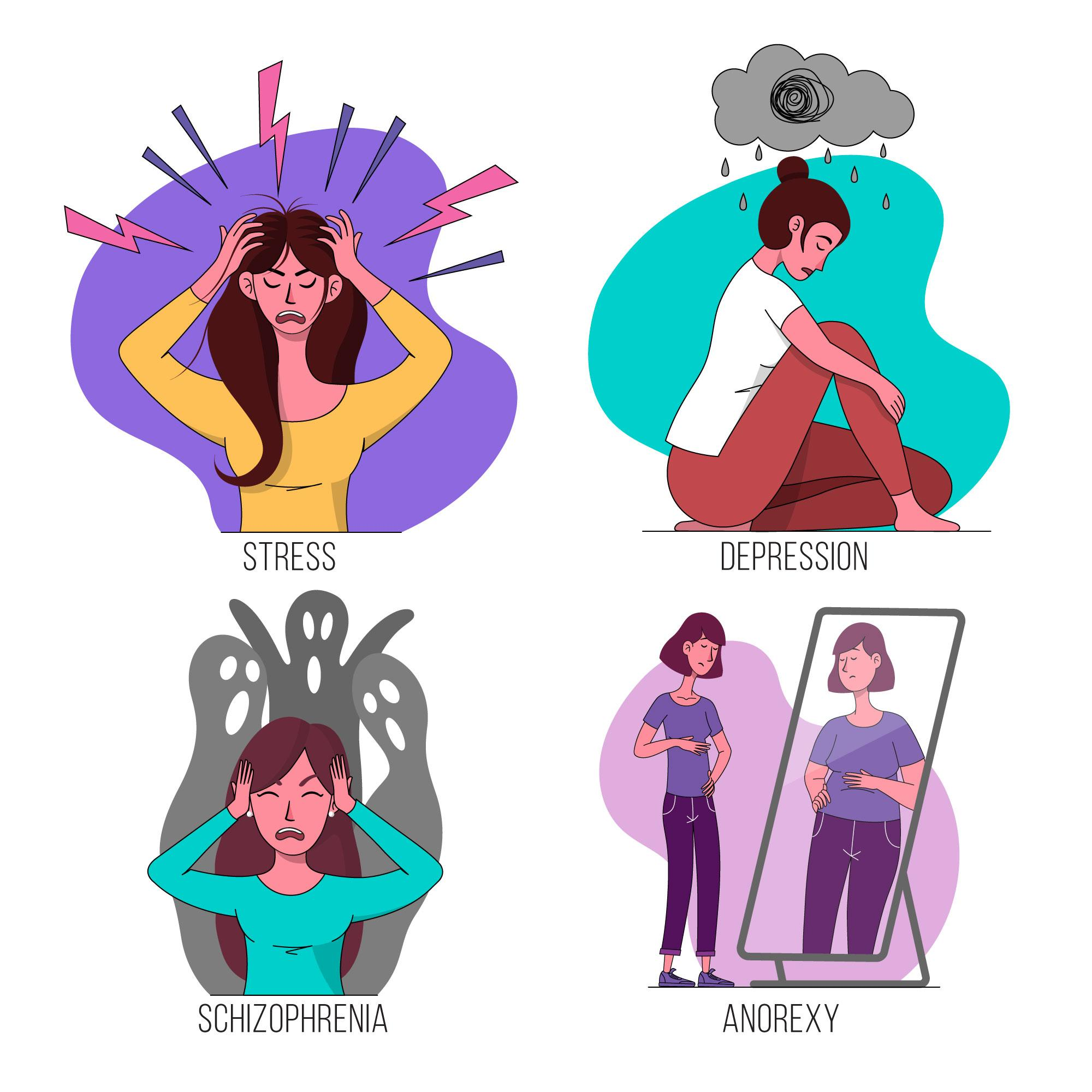
Living with diabetes already requires juggling meals, meds and movement. What’s easy to overlook is how stress—from a single bad day to months of low-grade worry—changes the whole glucose equation. Stress drives well-defined hormonal and inflammatory responses that raise glucose production and reduce glucose uptake, and these changes show up clearly on modern continuous glucose monitors (CGM). For Australians using Ottai CGM(or any CGM), that visibility is a practical advantage: you can measure the effect, test a response, and choose safer, evidence-based fixes.
Quick science — what stress actually does to glucose
When you feel threatened or pressured, your body activates two systems:
- the sympathetic nervous system (fast): releases adrenaline → quick hepatic glucose release and short, sharp spikes;

- The HPA axis (slower): releases cortisol → sustained increase in gluconeogenesis and reduced insulin sensitivity.
Chronic stress also raises low-grade inflammatory signals (IL-6, TNF-α), which worsen insulin signalling at the cellular level. Put simply: stress can lift your baseline glucose and increase the size and frequency of spikes. These mechanisms are well described in reviews of stress and type-2 diabetes biology.

Why CGM changes the conversation
HbA1c tells you an average. It doesn’t tell you when or why glucose spikes happen — and patients often feel “out of control” even when A1c has only shifted a little. CGM delivers continuous numbers and metrics that matter for stress:
Time in Range (TIR, 70–180 mg/dL) — percent of time you spend in target. International consensus recommends aiming for ~70% in-range for many adults.
Glucose variability / Coefficient of Variation (CV) — higher CV = more unstable glucose and more symptomatic swings.
Event-level tracing — you can align a spike to a time-stamped trigger (meeting, fight, sleepless night).
The most useful approach is to pair CGM with short, time-stamped stress notes (an EMA-style log) so subjective stress becomes an analyzable signal. Recent CGM + EMA studies show clear within-person links between reported distress and measurable glucose changes.
How stress typically appears in everyday CGM data
- Acute events (argument, exam, presentation): brief large spikes 30–90 minutes after the stressor.
- Chronic stress (financial pressure, caring roles, ongoing insomnia): higher fasting and pre-meal glucose, lower overall TIR, and generally higher variability across days.
- Night-time stress or cortisol rhythm disruption: can cause elevated early-morning readings (worse dawn profile).
These patterns explain why some people feel tired, foggy or “off” even when their A1c looks acceptable—because day-to-day swings affect symptoms and wellbeing.
A simple, clinic-ready protocol (use this with Ottai CGM)
This is practical and low-cost — suitable for self-management or a short clinic audit.
1) Measurement window (14–28 days)
Wear your Ottai CGM continuously for two to four weeks so you capture weekdays, weekends and any shift work.
2) Stress logging (EMA lite)
Three quick prompts/day (waking, mid-day, pre-sleep) with a 0–10 stress rating + an “event flag” for big triggers (e.g., presentation, family argument). Use a notes app or a simple form.
3) Concurrent logs
Time-stamped notes for sleep (hours + quality), exercise, alcohol, and medication/insulin timing.
4) Analysis steps
- Plot glucose ±120 minutes around flagged events.
- Calculate average peak-from-baseline after stress events and the frequency of reproducible spikes.
- Compare TIR and CV on “high-stress” days vs “low-stress” days.
If a pattern is reproducible (e.g., post-meeting spikes three times per week), you now have objective evidence to test targeted interventions.
(Clinicians: include PAID / DDS for diabetes distress screening and PHQ-9 / GAD-7 for mood/anxiety if scores suggest moderate to severe issues.)
Interventions that actually move the needle
Evidence shows psychological and behavioural interventions can reduce distress and improve self-management; effects on glycaemia vary but are clinically meaningful for many people.
- Short, immediate tools for acute spikes
- 5–10 minutes of paced breathing, box breathing, or a brisk 5–10 minute walk right after the stressor often reduces the amplitude of post-event spikes (low risk, easy to test).
- Structured psychological therapies
- CBT and diabetes-tailored distress programmes reduce diabetes distress and can improve adherence and A1c for people with comorbid depression or high distress. Meta-analyses support benefit, especially when psychological care is integrated with diabetes education.
- Mindfulness / MBSR
- Mindfulness programs (digital or face-to-face) reduce reactivity and have shown glucose improvements in several trials; pairing mindfulness practice with CGM feedback tends to increase engagement. Smiling Mind is a widely used, Australian-based, evidence-informed app to get started.
- Addressing sleep & lifestyle
- Treat insomnia aggressively (CBT-I), check for sleep apnoea, limit late-night caffeine and alcohol—sleep quality strongly affects morning glucose and cortisol rhythm.
- Important clinical caution: any insulin timing or dosing changes to blunt stress spikes must be made with clinician oversight — don’t self-adjust in ways that increase hypoglycaemia risk.
Two short, local case examples
Case 1 — “office spikes”
A Melbourne project manager notices CGM spikes after 2-hour weekly meetings. She logs stress (EMA) and tries 5 minutes of paced breathing immediately after meetings. After three weeks, TIR on meeting days rises by 6% and post-event peaks fall consistently.
Case 2 — “caregiver baseline drift”
A rural carer with chronic fatigue and poor sleep notes rising morning glucose and declining TIR. Screening shows moderate diabetes distress and poor sleep. Referral for CBT-I and enrolment in a local telehealth psychology program (NDSS resources used) plus CGM monitoring shows improved morning glucose and better daytime function after 8–12 weeks.
Australia matters: why this should be routine care here
Australians with chronic disease have higher rates of psychological distress and many areas (especially regional and remote) face barriers to mental-health services. National resources such as Diabetes Australia, NDSS emotional-health toolkits and local services (Diabetes Victoria clinics, telehealth access) make integration feasible. Embedding brief mental-health screening and CGM-guided stress management into routine diabetes care could reduce variability and improve quality of life at scale.
Limitations & what we still don’t know
Most literature is observational and complex confounders (sleep, illness, diet) exist.
Intervention effects on A1c are heterogeneous and often modest; the clearest wins are in lowering distress and improving day-to-day control (TIR, variability).
We need more trials that combine CGM + structured psychological intervention with TIR and CV as primary endpoints.
Practical next steps — what you can do tomorrow
Wear Ottai CGM for 14 days and start a 3-prompt/day stress log (0–10 rating + event flags).
Look for reproducible post-event spikes or persistent morning elevation.
Try a low-risk behavioural test (5-minute breathing or short walk after the stressor) and re-check CGM trends.
If distress or mood is moderate/severe, use NDSS/Diabetes Australia resources and ask your GP for a mental-health care plan or referral.
Hackett RA, Steptoe A. Type 2 diabetes mellitus and psychological stress — a modifiable risk. Review. discovery.ucl.ac.uk
International consensus on CGM metrics — Clinical targets and Time in Range guidance. tirhub.com
EMA + CGM studies linking daily distress to glucose patterns (Diabetes Care / npj Digital Medicine). Nature
Systematic reviews/meta-analyses on CBT for diabetes and comorbid depression. Sciencedirect
Diabetes Australia / NDSS: diabetes and mental health resources; Diabetes & Emotional Health handbook. Diabetes AustraliaNDSS
Smiling Mind (Australian mindfulness app and resources). Smiling Mind